DrupalDevDays 2026: Our Dynamic Presence and Our Team's Sessions


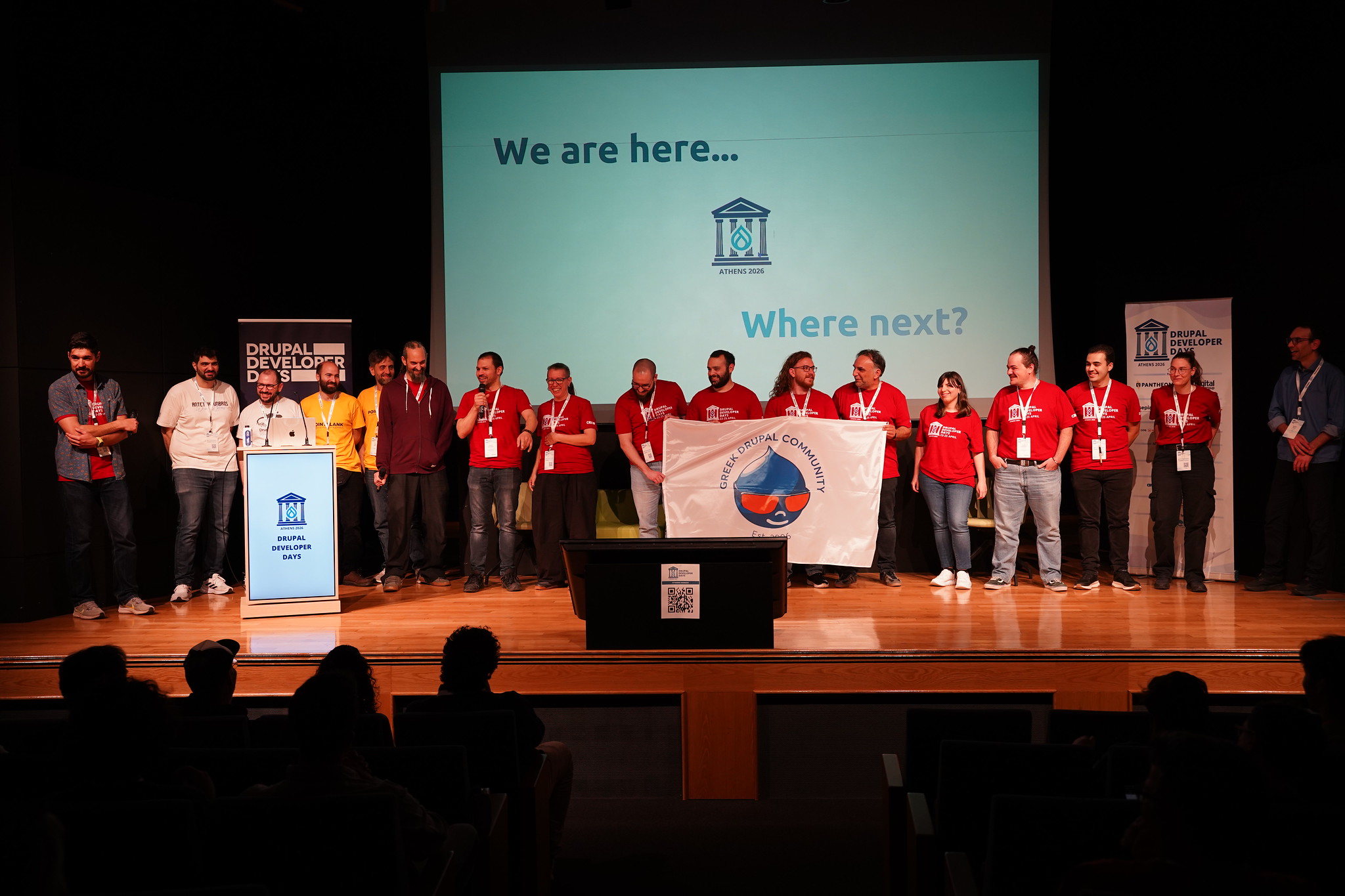
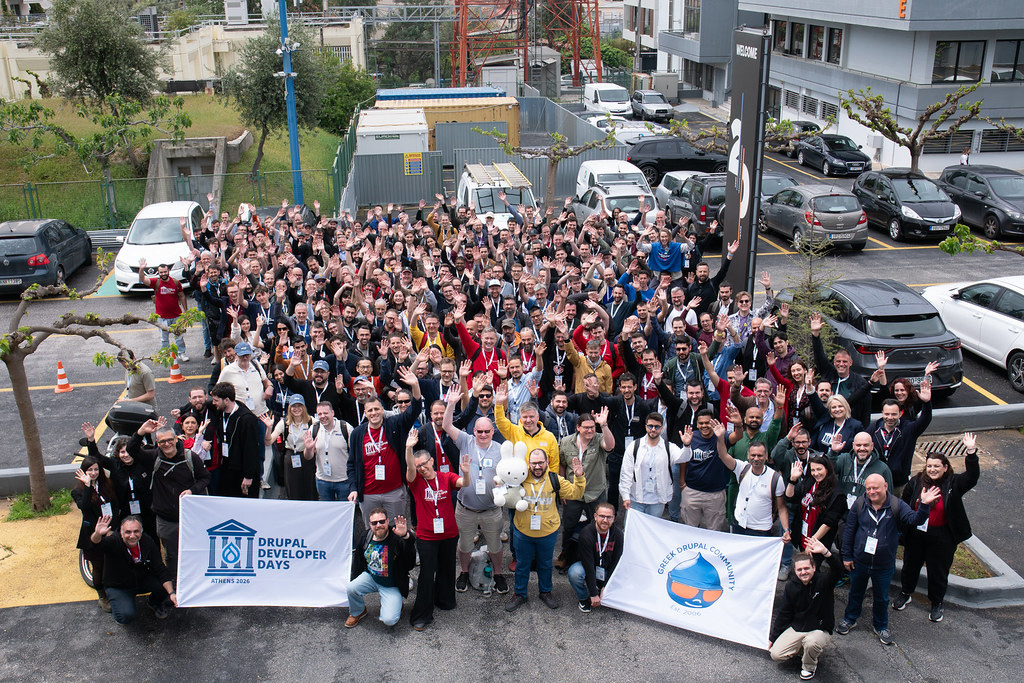
At this year's Drupal Developer Days Conference in Athens, we participated in every possible way: as co-organizers, volunteers, speakers, and attendees.
On April 20th, in groups of 2-3 people, we stepped out of our offices, got into our cars, and started heading down toward the capital. After plenty of crackers, coffees, and conversations, we arrived at the conference venue in Marousi. There, we reunited with other members of the Greek Drupal community, coordinated, and co-organized the final details. Sharing plenty of excitement, great energy, and a little bit of anxiety, we waited for the launch of Drupal Developer Days.
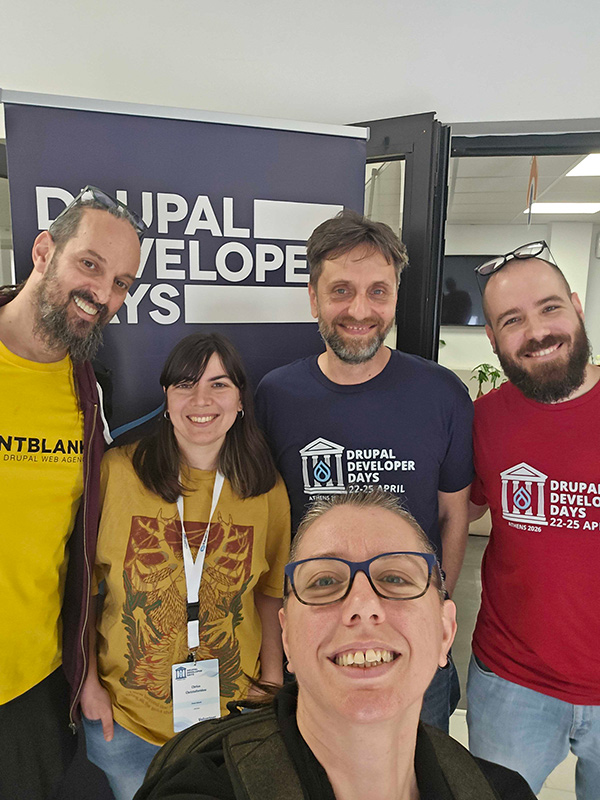
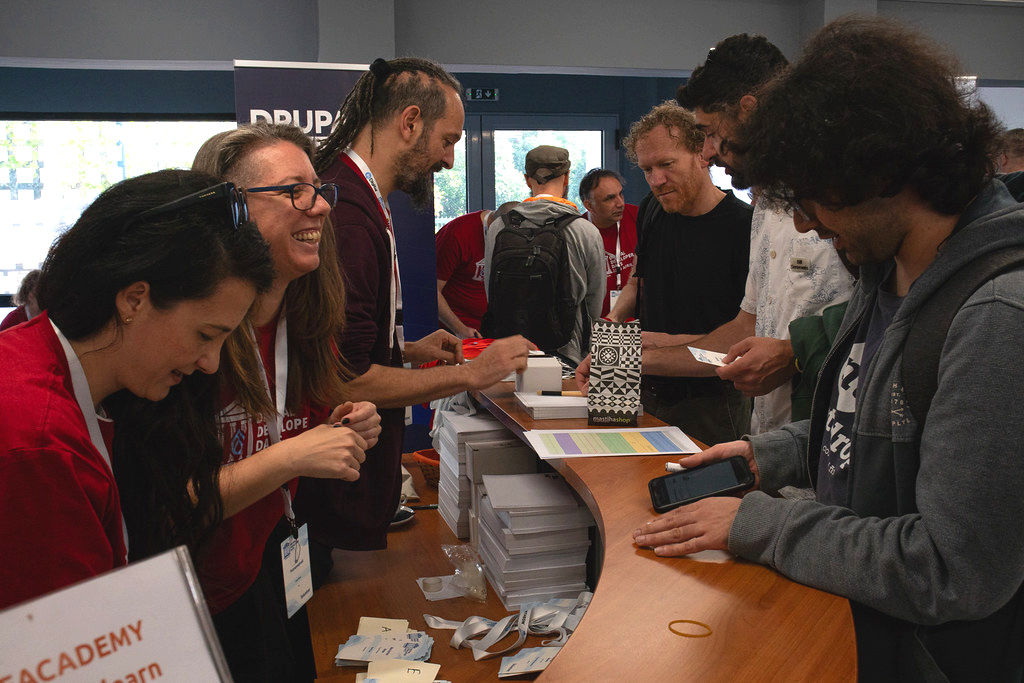
In the end, the months-long effort of everyone involved not only did not disappoint, but rather charmed the attendees, crowning the conference with absolute success. From day one, the venue was packed with people from the global Drupal community who mingled constantly, reuniting with old acquaintances or meeting others for the first time. Moving among them, you could hear conversations, in both English and Greek, regarding Artificial Intelligence and future aspirations for its use, technical issues, bits of Greek culture, the amazing conference coffee, and so much more.
The Conference Core Topics
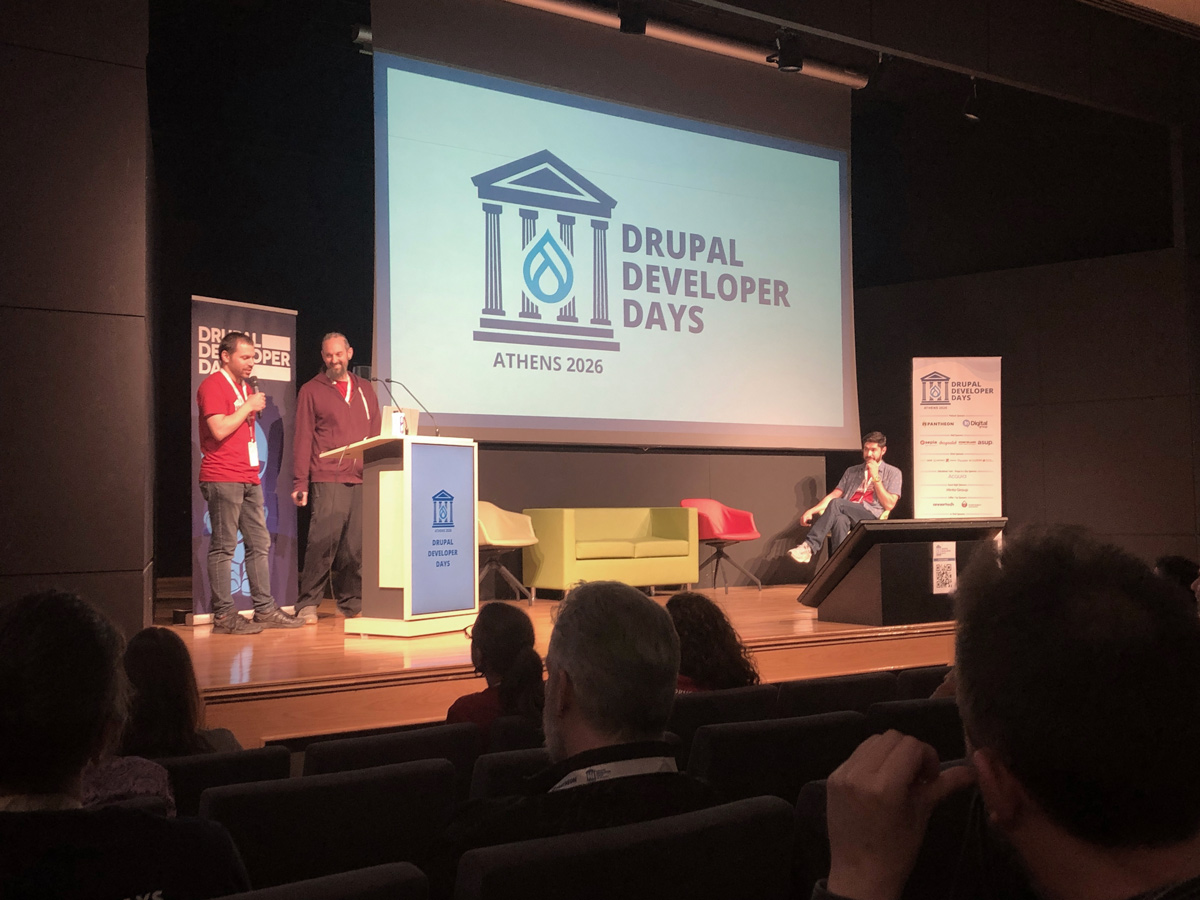
The topics of the sessions followed a similar pattern (except for the quality of the coffee). Issues concerning AI integration into Drupal’s architecture, digital sovereignty, the modernization of Drupal core, as well as open-source sustainability dominated this year's conference schedule.
- How can we leverage the power of LLMs while ensuring the privacy of our data?
- How can we simplify the Drupal user experience while maintaining the ambitious complexity that makes it the top choice for enterprise projects?
- With part of code writing being offloaded to Artificial Intelligence, how are the roles of junior or senior developers being redefined?
- In an era of relentless content generation via AI, how can we build sustainable code that remains accessible and fast for years to come?
- How can we evaluate the use of Artificial Intelligence in our projects using reliable tools and real-world data?
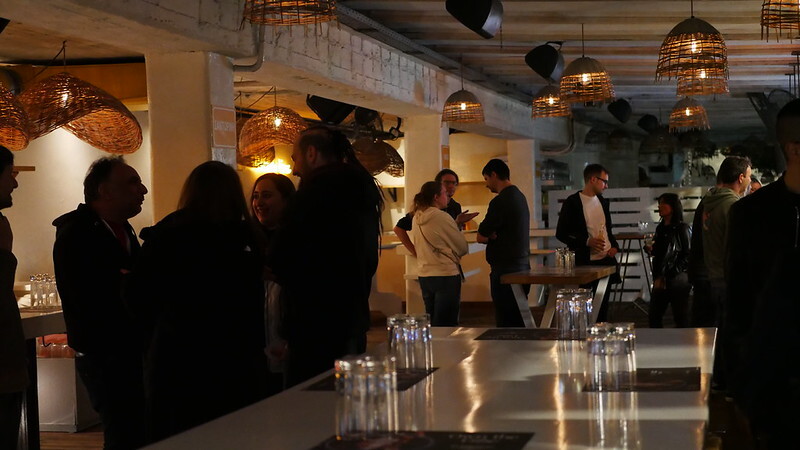
These and many other topics were presented and debated in the conference halls, in the corridors over coffee, and at social events over drinks. For our part, we shared our thoughts on these matters and gained valuable new perspectives in a fruitful exchange with other attendees and among ourselves—interrupted only by a night's sleep.
Our team's Presentations and Sessions
We are incredibly proud of the three members of our team who participated as speakers, sharing the technical knowledge and experience they have gained from our work.
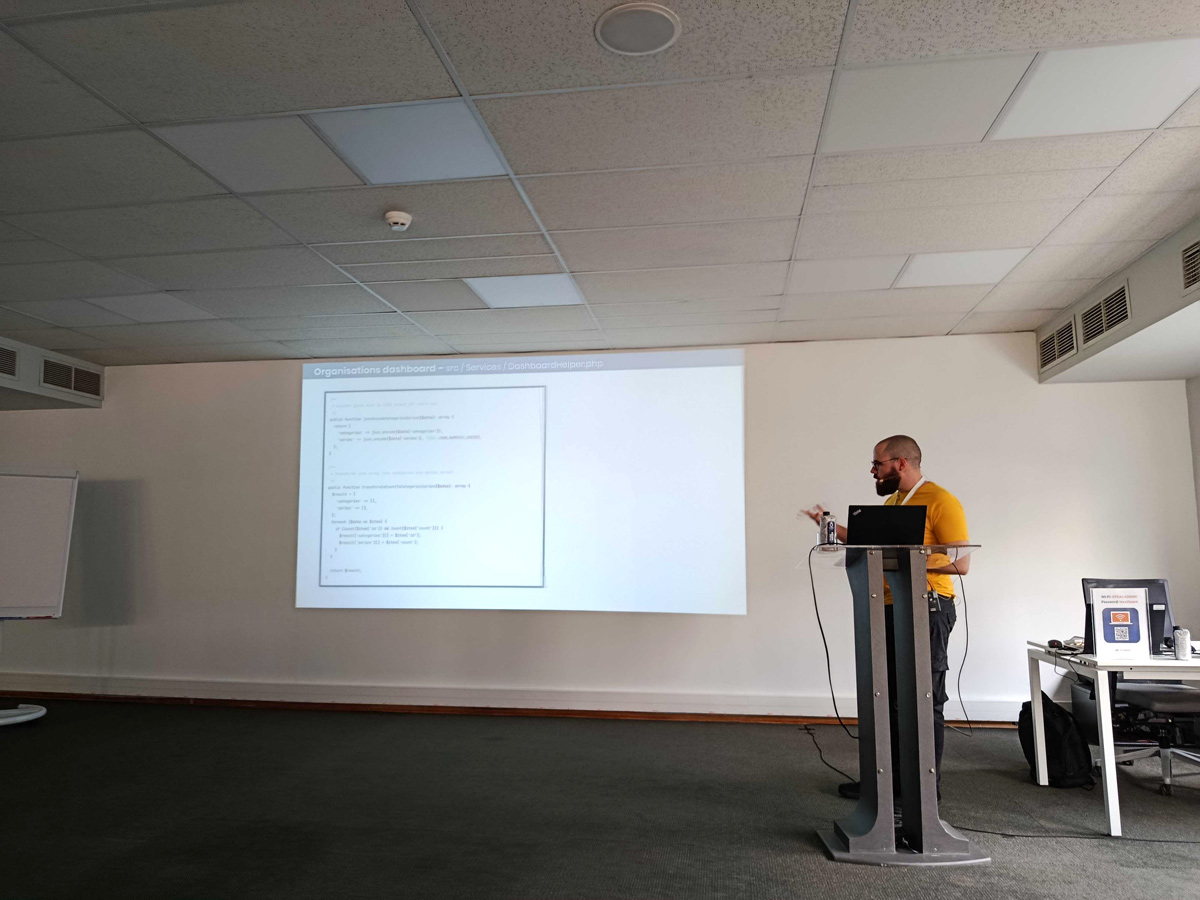
Giorgos Kaffezas spoke about data visualization (Data Visualization) in multi-user environments with different access levels (multi-user roles). The presentation delved deep into Drupal’s architecture and highlighted its capabilities in retrieving data while maintaining site performance. Advanced caching techniques were analyzed, and the use of dynamic queries was explained so that each user sees exclusively the data permitted by their role on their dashboard.
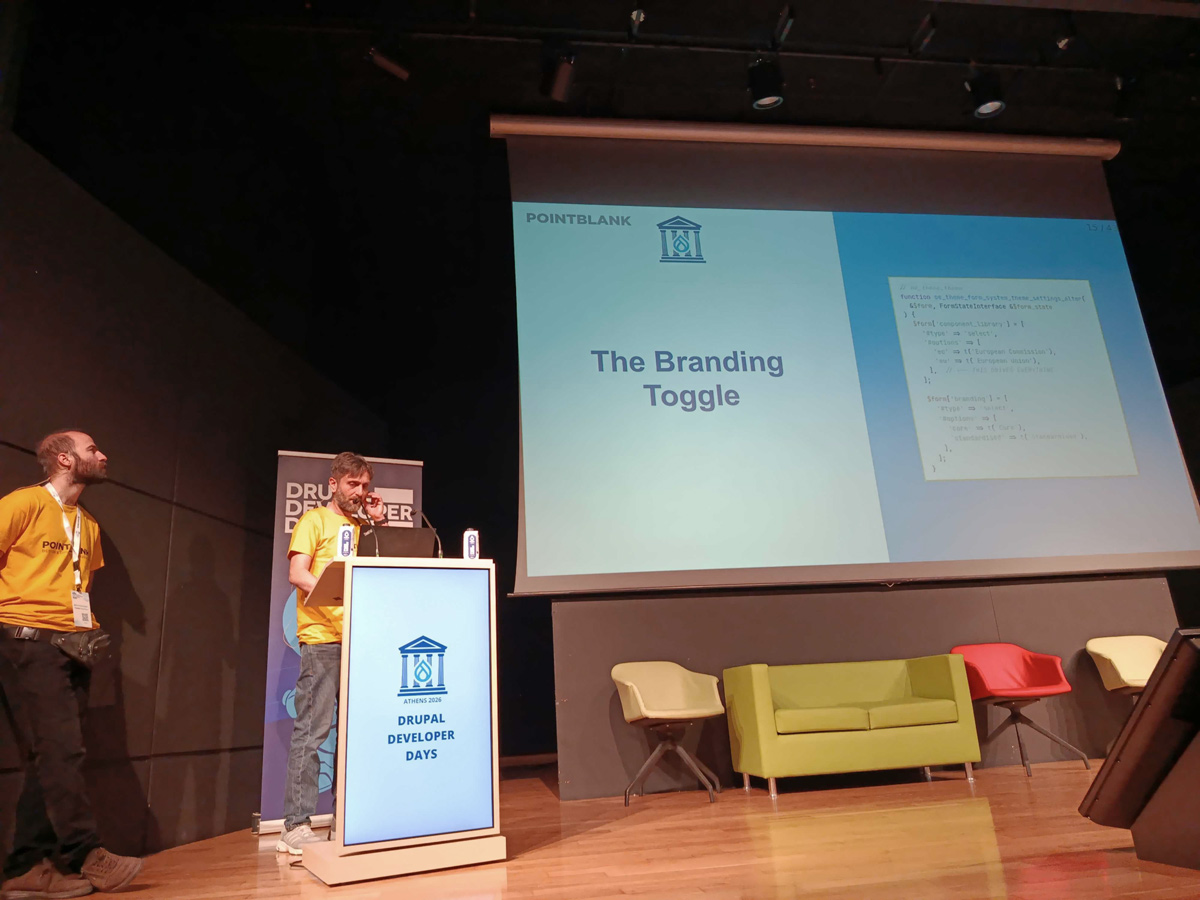
Aris Magripis and Giorgos Kastanis spoke about developing websites with the official seal of the European Union. They explained how to integrate the ECL (Europa Component Library) into Drupal and presented the use of the OpenEuropa ecosystem, highlighting common mistakes and suggesting best practices. Their technical analysis aimed to clarify the touchpoints of the ECL, OpenEuropa, and Drupal systems, explaining nuances such as the dual branding of the oe_theme, exploring ways to gain control by creating subthemes, and overcoming discrepancies between ECL and Drupal conventions.
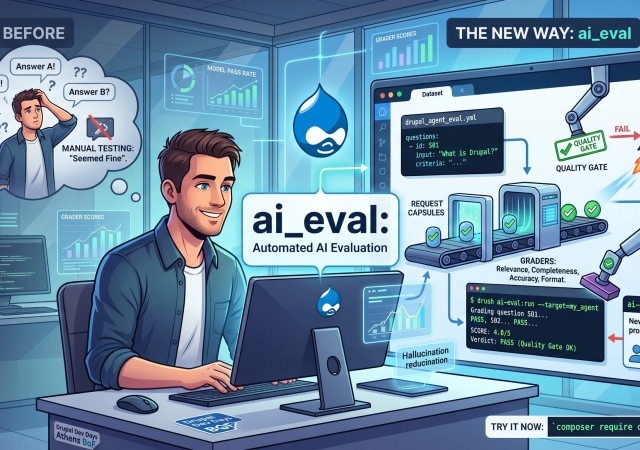
In addition, Giorgos Kastanis presented his work on AI Eval during a BoF session—a Drupal module he has developed aiming to evaluate the effectiveness and efficiency of AI agents. AI Eval targets a burning need, answering the question: "How do I know if the AI model I chose works correctly and cost-effectively for my site?". It utilizes an automated framework within Drupal to run evaluation benchmarks, allowing developers to compare different LLMs in terms of response quality, cost, and speed.
The relevance of the topic to current developments was proven by the lively discussions that arose during the BoF, as well as later on in the conference corridors. Giorgos also participates as a contributor to Drupal's AI Best Practices, another highly relevant project for documenting and codifying best practices and security guidelines regarding the development of AI submodules within Drupal.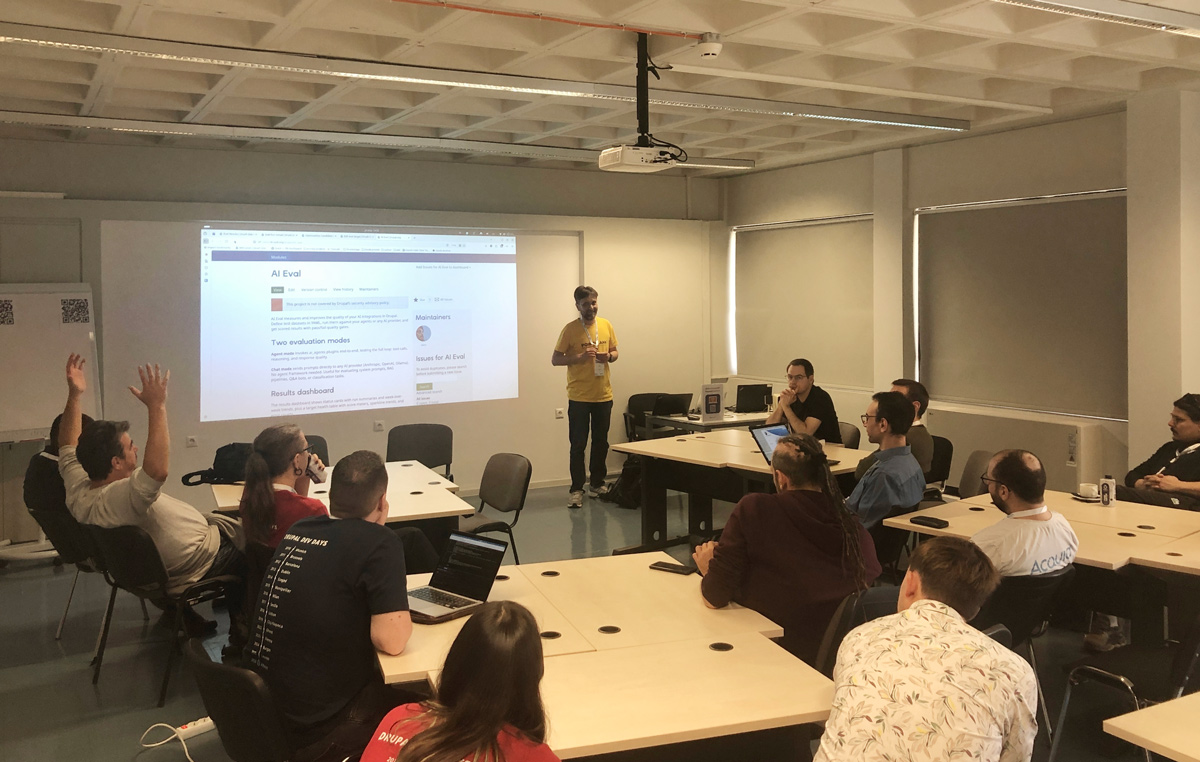
The overall experience for all of us at this year's DrupalDevDays, on every level—as organizers, volunteers, attendees, listeners, and speakers—was more than positive. We renewed our bonds with old friends and partners, expanded our circle with new acquaintances, shared and received knowledge and perspectives, and left feeling full of drive and energy. Ultimately, we headed back up the map and returned to our offices with heads full of knowledge and ideas, bellies full of conference food, bags packed with Greek Drupal community merch, and tons of energy.
- Data Visualization Dashboards: Watch Giorgos Kaffezas' session video
- Building EU-Branded Drupal Sites:Watch Aris Magripis & Giorgos Kastanis' session video
- BoF | Testing AI Agents: View Giorgos Kastanis' interactive session